Introduction
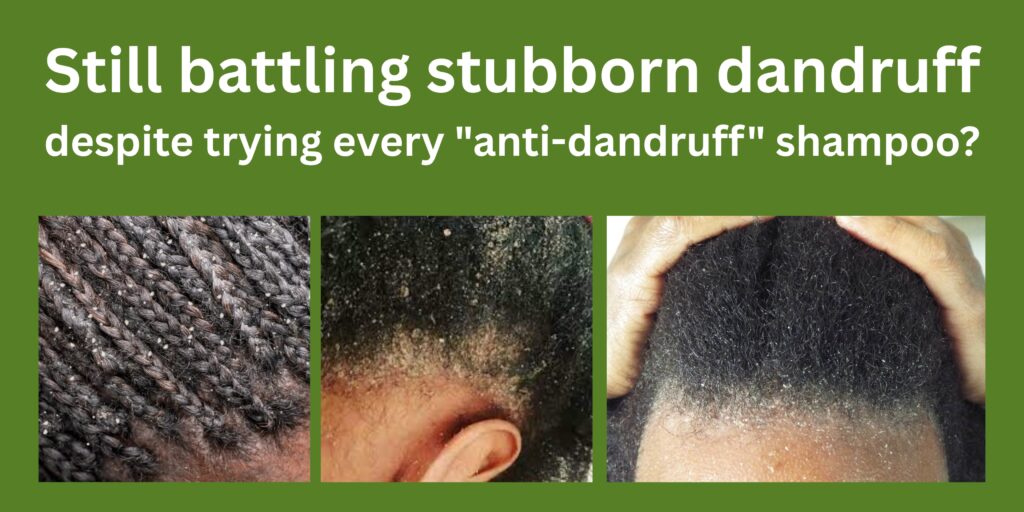
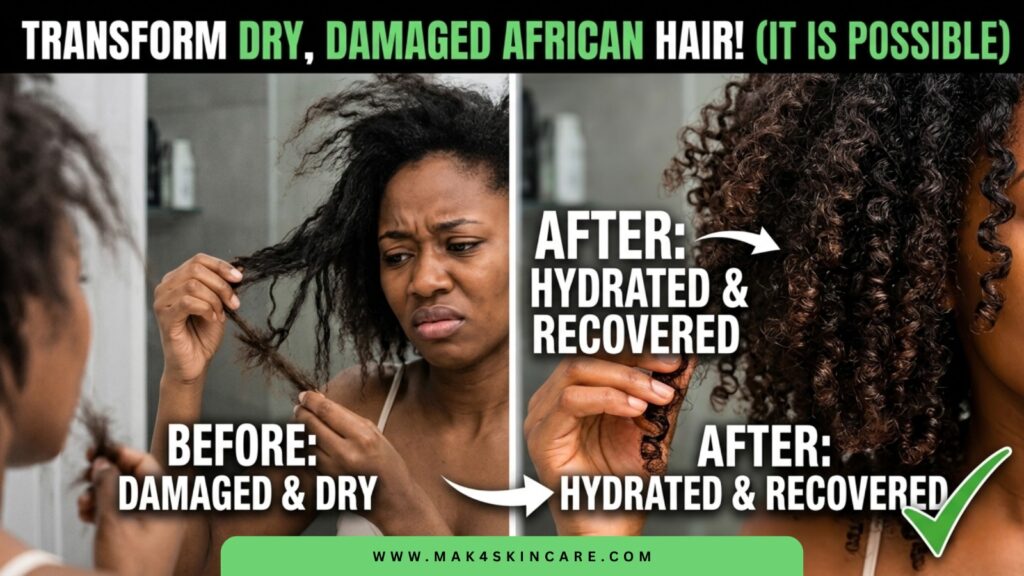
Dry African hair is one of the most common concerns among people with natural curls, coils, and textured hair. Due to its unique structure, African hair tends to lose moisture more quickly than other hair types. The natural oils produced by the scalp often struggle to travel down the twists and bends of the hair shaft, leaving strands vulnerable to dryness, breakage, frizz, and damage.
If you are wondering how to restore moisture to dry African hair naturally, the good news is that healthy, hydrated hair is achievable with the right routine and products. By adopting moisture-rich hair care practices and avoiding common mistakes, you can improve hair elasticity, reduce breakage, and promote stronger, healthier growth.
In this guide, we will explore 10 proven ways to restore moisture to dry African hair naturally and help you create a routine that supports long-term hair health.
Why African Hair Becomes Dry
Before discussing solutions, it is important to understand why African hair is more prone to dryness.
Common causes include:
- Lack of moisture retention
- Frequent heat styling
- Harsh shampoos containing sulfates
- Overwashing
- Environmental damage
- Chemical treatments
- Inadequate deep conditioning
- Poor protective styling practices
Understanding these factors can help you make better decisions when building a moisturizing hair care routine.
1. Use a Sulfate-Free Shampoo
One of the biggest mistakes people make when caring for dry African hair is using shampoos that contain harsh sulfates. Sulfates can strip away natural oils and leave hair feeling even drier after washing.
Instead, choose a gentle sulfate-free cleanser that removes buildup while maintaining your hair’s natural moisture balance.
A great option is a 2-in-1 Sulfate Free Shampoo & Conditioner, which gently cleanses while delivering nourishing hydration in a single step. This type of formula helps reduce moisture loss during wash day and leaves textured hair feeling softer, smoother, and easier to manage. For individuals struggling with dry African hair, using a sulfate-free cleansing product can make a noticeable difference in moisture retention over time.
2. Deep Condition Weekly
Deep conditioning is essential for restoring moisture to dry African hair naturally.
A quality deep conditioner penetrates the hair shaft and replenishes lost hydration. Look for ingredients such as:
- Shea butter
- Coconut oil
- Argan oil
- Avocado oil
- Aloe vera
- Honey
Apply a deep conditioner once a week and leave it on for at least 20 to 30 minutes. Using a heat cap can help improve absorption and maximize hydration.
3. Follow the LOC or LCO Method
The LOC method stands for:
- Liquid
- Oil
- Cream
The LCO method follows this order:
- Liquid
- Cream
- Oil
Both methods are popular among people with natural African hair because they help lock moisture into the hair shaft.
Start with a water-based leave-in conditioner, follow with a moisturizing cream, and finish with a lightweight oil to seal everything in.
Experiment with both methods to determine which works best for your hair texture and porosity.
4. Moisturize Hair Regularly
Hydration should not be limited to wash day.
Dry African hair often benefits from regular moisturizing throughout the week. Use a water-based moisturizer or leave-in conditioner to refresh your curls and maintain softness.
Pay special attention to the ends of your hair since they are usually the driest and most fragile section.
Consistent moisturizing can significantly reduce breakage and improve hair manageability.
5. Protect Hair While Sleeping
Cotton pillowcases can absorb moisture from your hair overnight.
Switching to a satin or silk pillowcase can help preserve hydration and reduce friction. You can also wear a satin bonnet or silk scarf before bed.
Protecting your hair while sleeping is a simple yet effective way to maintain moisture levels and minimize dryness.
6. Use Natural Oils to Seal in Moisture
Natural oils help prevent moisture from escaping the hair shaft.
Some of the best oils for African hair include:
- Jamaican black castor oil
- Argan oil
- Jojoba oil
- Grapeseed oil
- Coconut oil
Apply a small amount after moisturizing your hair to lock in hydration without creating excessive buildup.
Remember that oils do not provide moisture on their own. They help seal existing moisture into the hair.
7. Reduce Heat Styling
Excessive heat styling can damage the hair cuticle and cause significant moisture loss.
Frequent use of flat irons, curling irons, and blow dryers may leave hair brittle and prone to breakage.
Whenever possible:
- Air dry your hair
- Use heat protectants
- Lower heat settings
- Limit heat styling sessions
Reducing heat exposure helps maintain the natural moisture balance of African hair.
8. Wear Protective Hairstyles
Protective styles help reduce manipulation and protect the ends of your hair from environmental stress.
Popular protective hairstyles include:
- Twists
- Braids
- Bantu knots
- Wigs
- Updos
While protective styles can help retain moisture, it is still important to keep your scalp and hair hydrated during the styling period.
A well-maintained protective style can support healthy hair growth and moisture retention.
9. Drink More Water and Improve Nutrition
Healthy hair starts from within.
Dehydration can affect your skin, scalp, and hair. Drinking enough water supports overall hydration and contributes to healthier-looking hair.
Nutrient-rich foods can also improve hair health. Focus on:
- Leafy greens
- Nuts and seeds
- Fatty fish
- Eggs
- Fruits
- Vegetables
These foods provide essential vitamins and minerals that support stronger, healthier hair growth.
10. Avoid Overwashing
Washing your hair too frequently can remove natural oils that help keep African hair moisturized.
Many people with textured hair find success washing once every one to two weeks, depending on their scalp condition and lifestyle.
Using a gentle cleanser such as a 2in1 Sulfate Free Shampoo & Conditioner allows you to clean your hair effectively while minimizing dryness and preserving essential moisture.
Finding the right washing frequency can help maintain a healthy moisture balance and prevent unnecessary dryness.
Common Mistakes That Cause Dry African Hair
Even with a good routine, certain habits can contribute to moisture loss.
Avoid these common mistakes:
- Using products with harsh sulfates
- Skipping deep conditioning treatments
- Excessive heat styling
- Neglecting protective styles
- Not sealing moisture properly
- Using heavy products that cause buildup
- Sleeping on cotton pillowcases
- Ignoring hair porosity needs
Eliminating these habits can help improve the overall health and appearance of your hair.
Best Ingredients for Moisturizing African Hair
When shopping for hair care products, look for ingredients known for their moisturizing properties.
Beneficial ingredients include:
- Shea butter
- Aloe vera
- Coconut oil
- Argan oil
- Honey
- Glycerin
- Avocado oil
- Jojoba oil
Products containing these ingredients can help improve hydration, softness, and elasticity.
Conclusion
Learning how to restore moisture to dry African hair naturally requires consistency, patience, and the right products. By using sulfate-free cleansers, deep conditioning regularly, moisturizing effectively, reducing heat exposure, and protecting your hair from damage, you can dramatically improve hydration and overall hair health.
Small changes in your hair care routine can lead to healthier curls, reduced breakage, and stronger growth over time. Whether you are beginning your natural hair journey or looking to revive dry, damaged strands, these proven strategies can help you achieve softer, healthier, and more moisturized African hair naturally.
Start with a gentle cleansing routine, incorporate a quality 2in1 Sulfate Free Shampoo & Conditioner, and commit to regular moisture-focused care for long-lasting results.
Products by Category
-
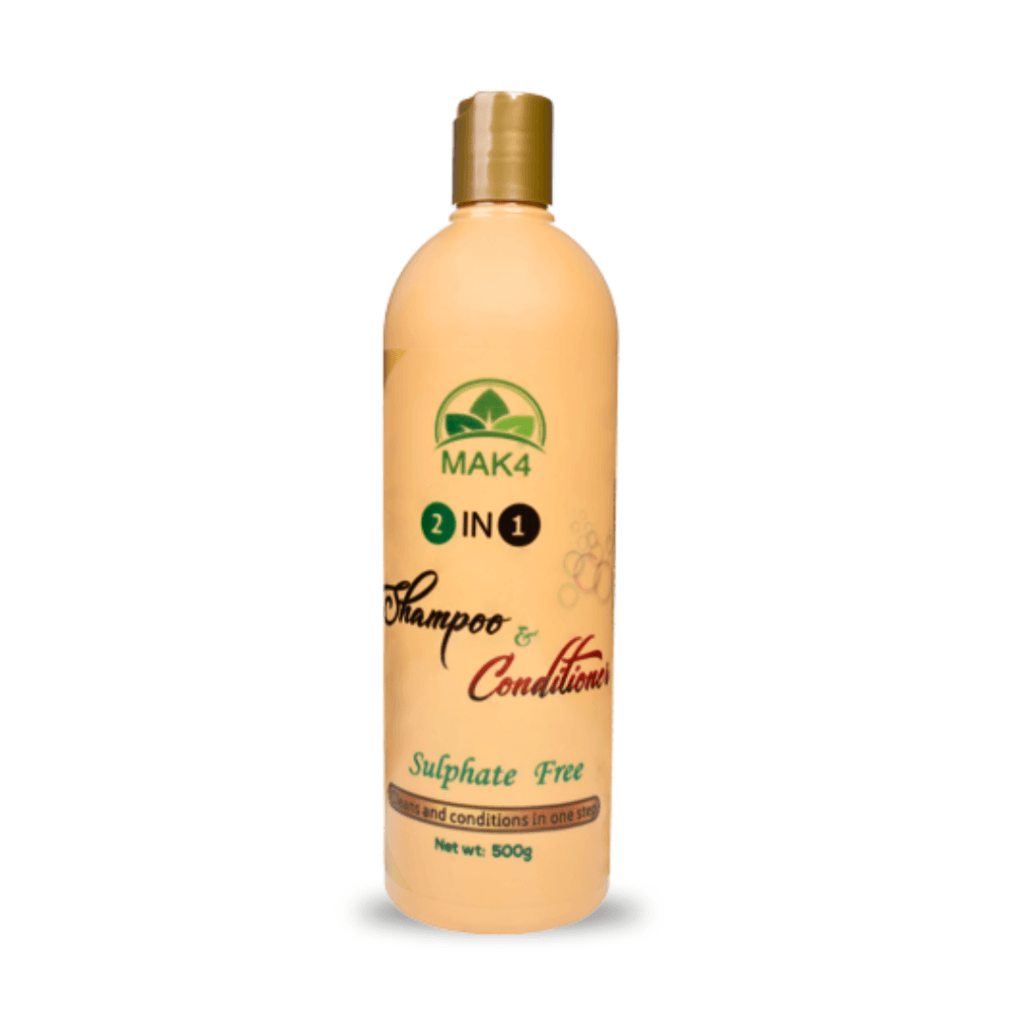
2-in-1 Sulfate-Free Shampoo & Conditioner
UGX 30,000 -
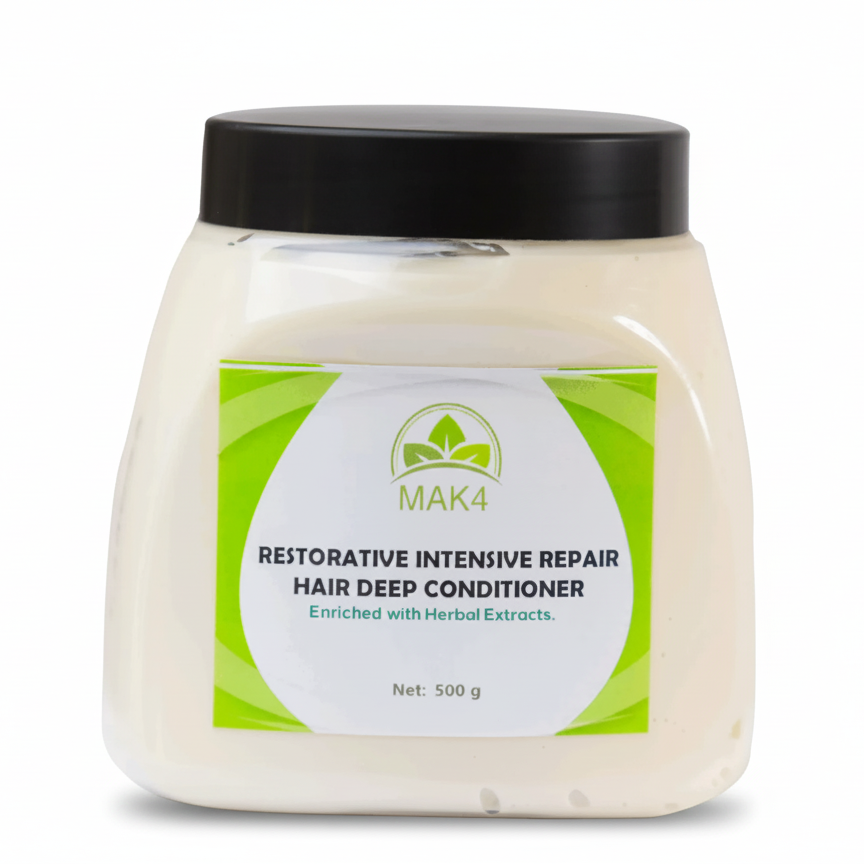
Restorative Intensive Repair Hair Deep Conditioner
UGX 25,000